


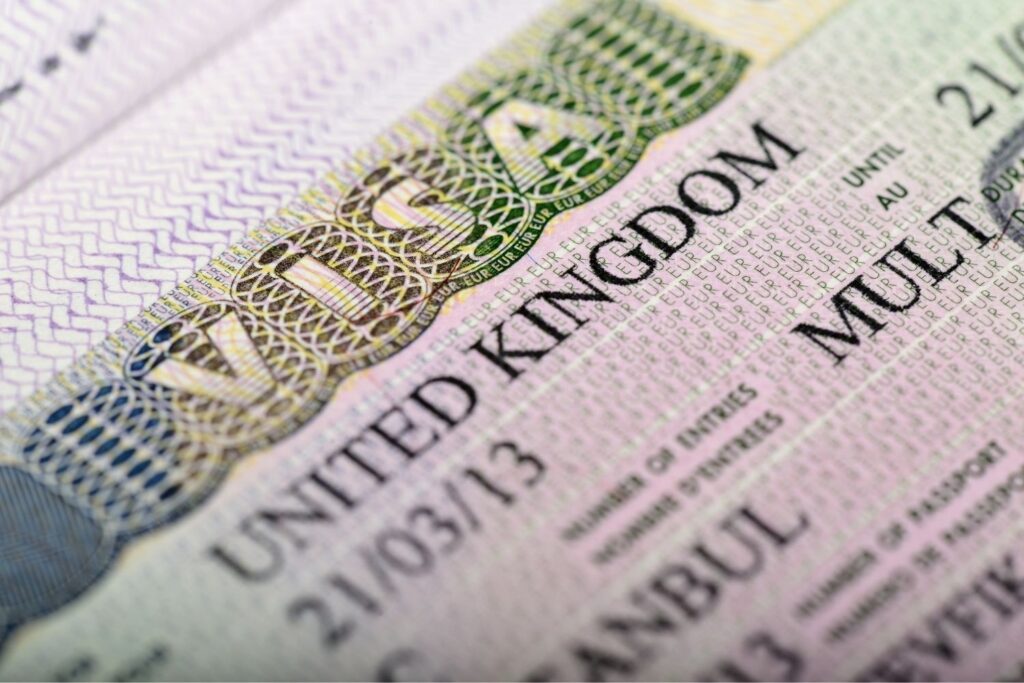
A South African who has spent years building a life in the UK will understand why Indefinite Leave to Remain (ILR) matters. It is the point at which visa renewals stop dominating decisions about work, housing, and family life. But the route to settlement is changing, and the headlines do not tell the whole story.
On 2 November 2026, the UK Government published its response to the Earned Settlement consultation. It confirmed a framework in which the usual starting point for settlement would increase from five years to ten. Importantly, the framework still needs to be translated into detailed Immigration Rules and operational guidance. It is not accurate to say that every existing five-year route has already been replaced.
What is changing under Earned Settlement?
The proposed approach considers a migrant’s character, contribution, integration and residence history, rather than residence alone. The Government has described shorter pathways for certain higher earners and other qualifying groups, alongside longer routes for people whose circumstances fall outside the standard requirements.
The announced model includes a three-year pathway associated with qualifying earnings of £125,141, a five-year earnings pathway associated with £50,271, and a ten-year standard starting point. Those figures are not a complete eligibility test. Detailed rules will determine how earnings, residence and other conditions are measured.
What if you are already in the UK?
Do not assume that the date on which you originally expected to qualify for ILR has definitely changed. Equally, do not assume that everyone already on a five-year route will be protected. The Government has announced targeted transitional arrangements, including protections for certain existing workers, but the practical detail is still to come.
If your settlement date is approaching, check the current GOV.UK requirements for your particular visa category and consider advice from a regulated UK immigration adviser. An immigration timetable should be based on rules in force, not a graphic circulating on social media.
Which South African documents might you need?
Depending on the application, UK authorities may ask for evidence of identity, family relationships, qualifications or criminal history. That could mean a full birth certificate, marriage or divorce records, a SAPS police clearance, or verified educational documents.
There is no blanket rule that every South African record submitted to UKVI needs a DIRCO apostille. The receiving authority decides what evidence it needs. Where legalisation is required, the correct route also depends on the document: certain original public records can be handled by DIRCO, while some notarial or other documents require High Court involvement.
Prepare the paperwork without guessing
Before ordering documents, check exactly what the receiving authority requires, whether the record must be recently issued, and whether the original or a certified copy is acceptable. For time-sensitive documents such as police clearances, ordering too early can be as inconvenient as ordering too late.
Apostil.co.za assists South Africans with obtaining official records and arranging appropriate verification and legalisation in South Africa. Tell us what you are applying for and where the documents will be submitted. We can help identify the right document process while you obtain immigration advice on your UK eligibility.